
Kratom Strains Explained: Red, Green, White & More
Red, green, white, Maeng Da, Bali, Borneo — what kratom strain names actually mean, how the vein colors differ, and a simple way to compare strains as a beginner.
By Sacred Plant Life Editorial TeamPublished
Walk into any kratom catalog and you are met with a long list of names: Red Bali, Green Malay, White Thai, Maeng Da, Borneo, “enhanced” blends and more. This kratom strains guide cuts through the jargon and explains what those names actually mean, how the main vein colors differ, and how to compare strains sensibly.
A quick note before we start: strain descriptions are traditional and anecdotal. Individual experiences vary widely, and nothing in this article is a medical or health claim. The most reliable way to compare products is by lab-tested quality and clear labeling.
What Does “Strain” Mean in Kratom?
Unlike many plants, kratom “strains” are not separate species or genetically distinct cultivars. Every strain comes from the same tree, Mitragyna speciosa. A strain name is simply a label made of two parts: a vein color and a regional or trade name.
The vein color reflects the maturity of the leaf at harvest and how it was dried. The regional name traditionally indicates where the leaf was grown — though today it often describes a recognizable style rather than a strict geographic origin. If you are new to kratom altogether, start with our overview: What Is Kratom? A Complete Guide.
The Three Vein Colors: Red, Green and White
As a kratom leaf matures, the color of its central vein changes from white to green to red. Harvest timing and drying method — indoor, outdoor, sun or shade, and for how long — also influence the final product. Here is how the three main colors are generally described.
Red Vein Kratom
Red vein kratom comes from the most mature leaves and is often dried longer, sometimes with more sun exposure or fermentation-style curing. It is the most popular color category and is traditionally described as having the smoothest, most mellow profile. Examples include Red Bali Kratom Powder and Red Maeng Da Kratom Capsules.
Green Vein Kratom
Green vein kratom is harvested at mid-maturity and usually dried indoors. It is commonly described as the balanced middle ground between red and white, which makes it a frequent first choice for people exploring different strains. Popular options include Green Maeng Da Kratom Powder and Green Malay Kratom Powder.
White Vein Kratom
White vein kratom is made from younger leaves and is typically dried indoors away from direct sunlight. Enthusiasts traditionally describe it as the brightest and crispest of the three colors. Well-known examples are White Maeng Da Kratom Powder and White Thai Kratom Powder.
Regional and Trade Names
The second half of a strain name usually refers to a region or a recognizable style. You will see these names paired with each vein color — for example, Red Bali, Green Bali and White Bali.
- Maeng Da — a Thai trade name often used for premium, carefully selected leaf; one of the best-known names in kratom.
- Bali — named after the Indonesian island historically associated with kratom trade; a widely available, classic style.
- Borneo — refers to the large island shared by Indonesia and Malaysia, known for dense rainforest growing conditions.
- Thai — associated with the kratom-growing traditions of Thailand.
- Malay — associated with the Malaysian peninsula and its traditional kratom customs.
Enhanced, Reserve and Blended Products
Beyond single strains, many suppliers offer specialty products. “Enhanced” kratom combines leaf with concentrated kratom extract, so it is stronger than plain leaf and should be approached with extra care — see Red Gem Enhanced Kratom Capsules as an example. “Reserve” or signature products, like Signature Reserve Kratom Powder, are curated premium selections, while blends combine multiple vein colors into one product.
Always read the label on enhanced and extract products closely, because serving sizes are different from standard leaf powder.
How to Compare Strains as a Beginner
The simplest way to learn the differences is to compare a small number of lab-tested strains one at a time and take notes. Sampler bundles make this easy, such as the Kratom Powder Strain Variety Bundle or the Kratom Capsule Strain Flight.
- Start with one well-known single strain before trying enhanced products.
- Change only one variable at a time — strain, format or amount.
- Keep a simple log of the strain, amount and your notes.
- Read the full product description; our guide on how to read kratom strain descriptions online explains the terminology.
Why Lab Testing Matters More Than the Name
A strain name tells you about style, not quality. Two “Green Maeng Da” products from different vendors can differ significantly in alkaloid content and purity. That is why third-party lab testing, cGMP manufacturing and transparent sourcing matter more than any label. Our guide to reading kratom strain descriptions and our quality buying guide show you what to look for.
Ready to shop lab-tested kratom?
Explore premium, third-party tested kratom through Super Speciosa, our trusted supplier. Must be 21 years or older to purchase.
Compare kratom strains at Super SpeciosaFrequently Asked Questions
What is the difference between red, green and white kratom?
The difference comes from leaf maturity at harvest and drying method. White vein comes from younger leaves, green from mid-maturity leaves, and red from the most mature leaves. Each is traditionally described differently, though individual experiences vary.
Are kratom strains different plant species?
No. All kratom strains come from the same tree, Mitragyna speciosa. Strain names combine a vein color with a regional or trade name such as Maeng Da, Bali, Borneo, Thai or Malay.
What does Maeng Da mean?
Maeng Da is a Thai trade name widely used for premium, carefully selected kratom leaf. It is available in red, green and white vein versions.
What is enhanced kratom?
Enhanced kratom combines plain leaf with concentrated kratom extract, making it stronger than standard leaf. Read labels carefully and follow the serving information provided by the supplier.
Kratom strain names become simple once you know the formula: vein color plus regional or trade name. Use this kratom strains guide as a reference, start with a lab-tested single strain or sampler, and let quality — not marketing — guide your choice.
Ready to compare? Browse every strain and format in the Sacred Plant Life product catalog, or read how to choose quality kratom products first.
Products Mentioned in This Guide
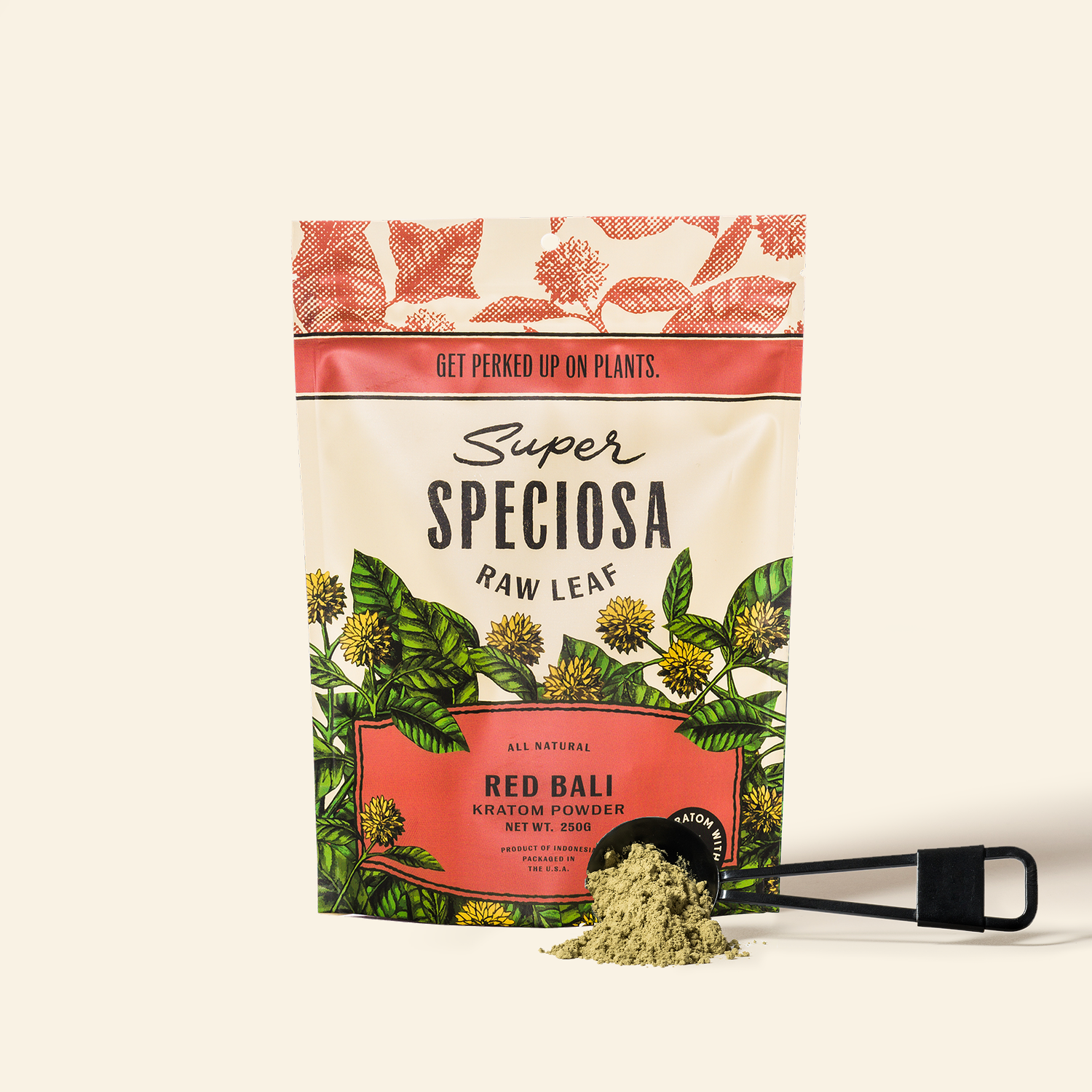
Red Bali Kratom Powder
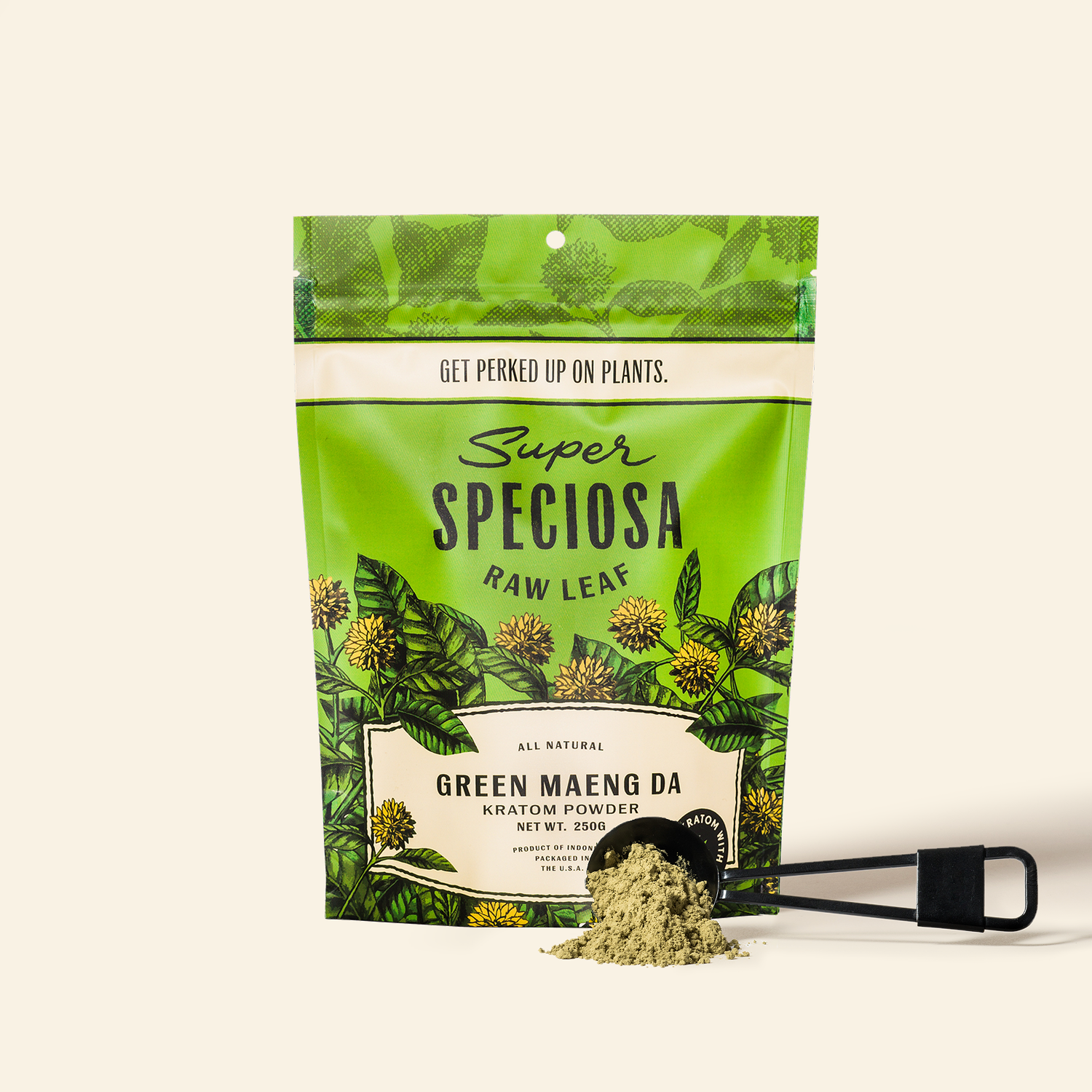
Green Maeng Da Kratom Powder
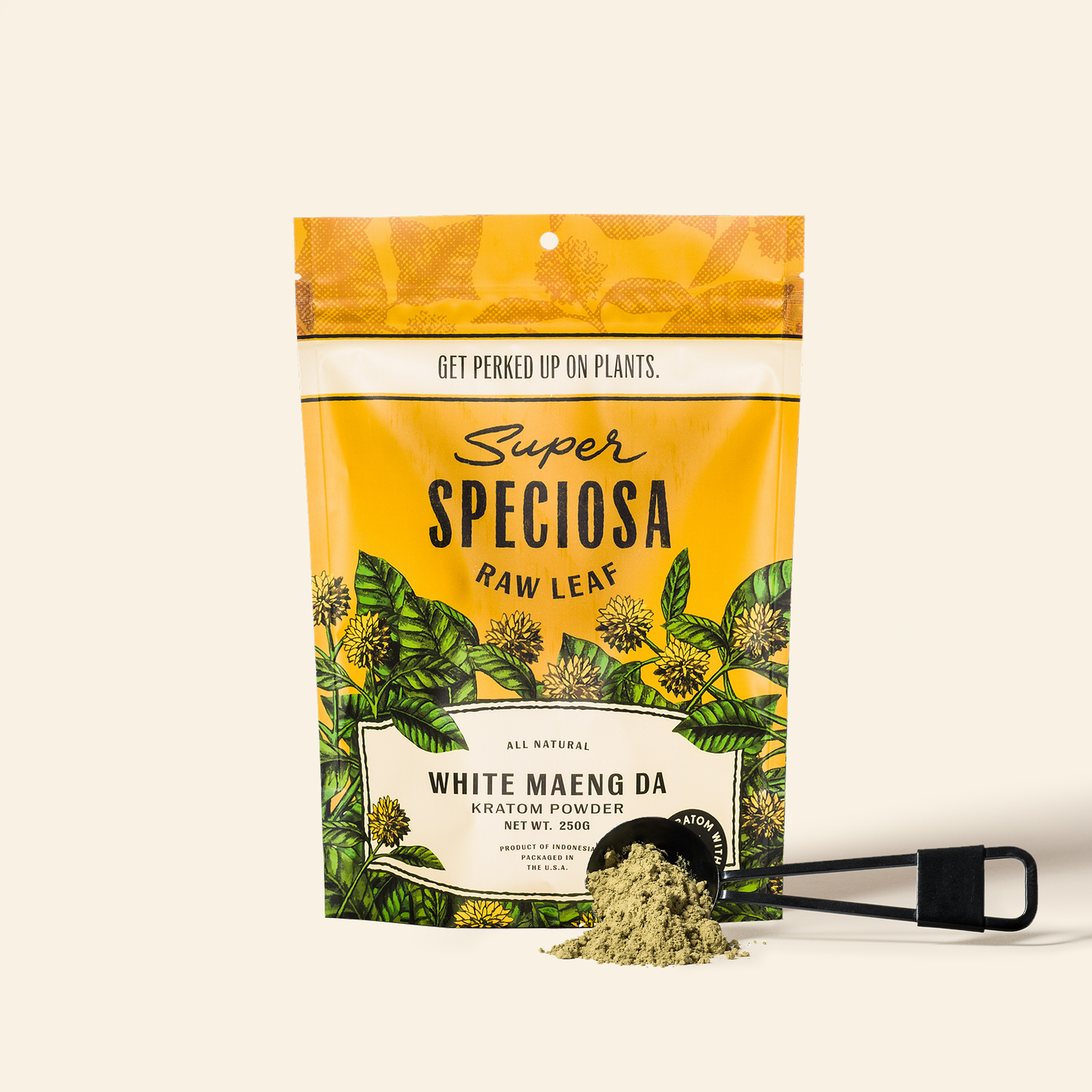
White Maeng Da Kratom Powder
